Why Flooring Samples Look Smaller Than the Real Floor

It’s normal to feel surprised when a tiny sample looks nothing like the floor once it’s fitted. That mismatch can make you doubt your choice. Below we explain the visual and psychological reasons samples often read as smaller, how material, texture and lighting shape what you see, and simple steps to test samples with confidence.
What makes flooring samples look smaller than the real floor?
The impression that a sample is too small comes from a mix of visual scale effects and mental shortcuts. Together, these influence how we judge size, depth and presence when comparing a small swatch with a full room.
How does the visual scale effect change sample perception?
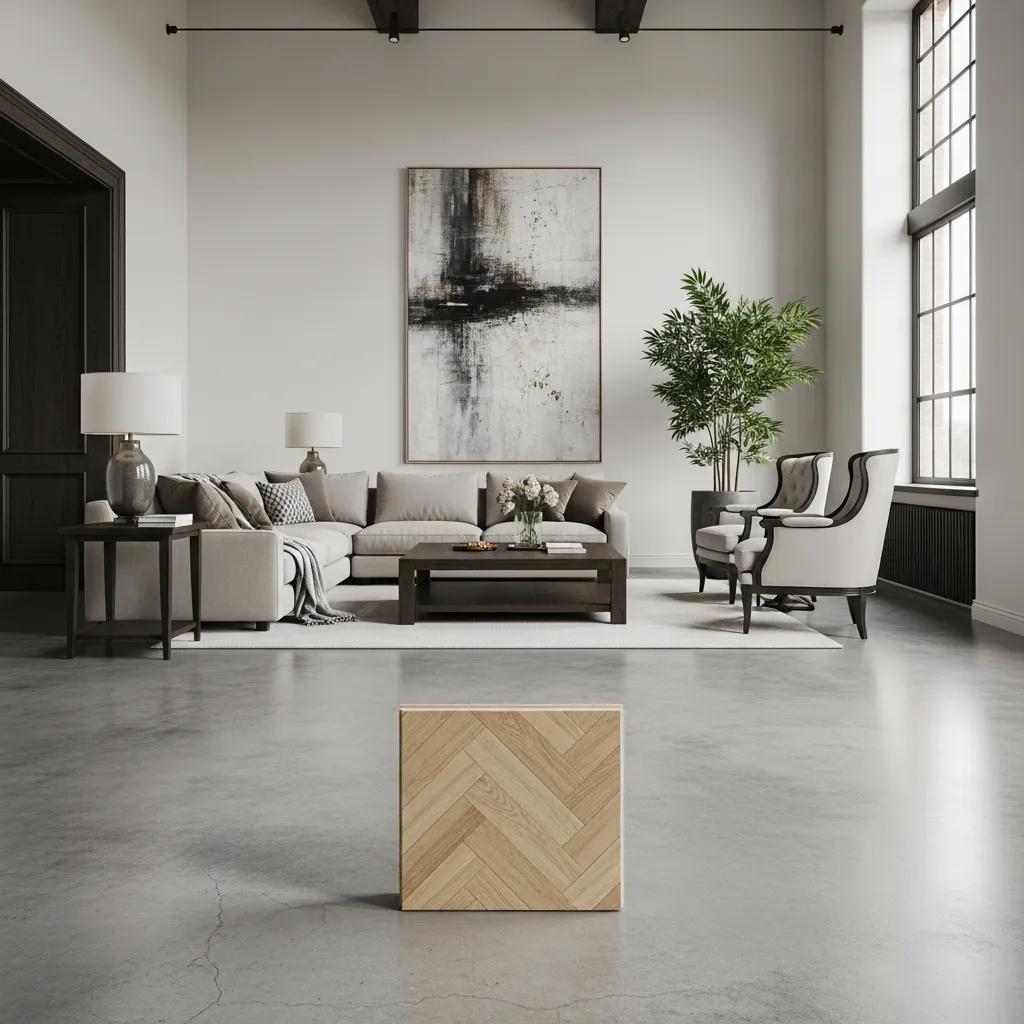
Scale is about context. A lone swatch has few surrounding cues, so your eye can underestimate its true look. In a large or empty space a small wood or carpet sample can seem insignificant. The mismatch gets worse when the sample is photographed or shown in a setting unlike the room where it will be installed.
What psychological factors influence how we see sample size?
Our brains use shortcuts to judge size and weight. Small items are often assumed to be lighter or less substantial — a mental shortcut that can make a sample feel inconsequential. Lighting, neighbouring colours and nearby furniture also nudge perception in subtle ways.
How do material and texture change the appearance of samples?
Material traits — colour, pattern, grain and texture — change how large or small a sample looks. Some cues add depth and presence, while others flatten the image and reduce perceived scale.
Why do wood, laminate, vinyl, and carpet samples look different in size?
Each material has visual characteristics that shape perception. Wood’s grain and variation create depth, which can make a plank feel more substantial. Laminate often reads smoother and more uniform, so it can appear smaller. Vinyl and carpet depend on pattern and pile: a thick, textured carpet can read larger, while a low-profile vinyl may seem more compact. The same sample can look very different depending on its visual texture and finish.
Research links visual traits of flooring — grain, colour and texture — to how people judge a floor’s look and appeal.
Perceptions of wood flooring appearance
A 2009 Kansei engineering study by E. Nordvik asked people to rate visual properties of wood flooring and connected those ratings to perceived appearance and appeal.
How does texture affect perceived size?
Texture creates tiny shadows and highlights. A deep carpet pile or hand-scraped wood throws subtle shadow and light that adds depth and makes the material feel more tactile and bigger. Smooth finishes, like many vinyls and laminates, reflect light more evenly and can appear flatter — and therefore smaller.
How do lighting and environment change sample perception?

Lighting and the surrounding décor have a big impact on how samples read. Light shifts colour and contrast, while room size and furniture give the brain context for judging scale.
How does lighting affect colour accuracy and perceived scale?
Light changes everything. Natural daylight usually shows truest colour and texture, often making a sample look richer and more present. Harsh fluorescent light can wash tones out and flatten texture, shrinking perceived scale. Warm lighting can make a sample feel cozier and more substantial; cool lighting can make the same sample appear thinner and less inviting.
What environmental factors influence how a sample looks?
Room size, wall and furniture colours, and the amount of sunlight all change how a sample reads. A tiny swatch in a cavernous room will likely look insignificant; in a smaller, furnished space it can read as full-size. Strong contrasts from nearby colours can either add visual weight or make the sample disappear.
How can you use flooring samples effectively to choose the right floor?
Use samples smartly to avoid surprises. The right approach helps you see how a material will actually perform in your space.
What practical tips help you read sample size and colour accurately?
- Use multiple samples: Lay several options side by side so you can compare colour, pattern and scale directly.
- Consider the whole room: Imagine the sample across the space, thinking about layout, light and traffic paths.
- Test in different lighting: Look at samples in daylight and in the evening under your home’s artificial lights.
How can AR and digital tools improve sample visualization?
Augmented reality (AR) and room visualisers let you preview flooring at full scale in your actual rooms. They’re not perfect, but they give a clearer sense of pattern and proportion than a small swatch alone and help you narrow choices before ordering full-size planks or rolls.
Because material, texture, lighting and context all change how samples read, pairing physical samples with digital previews and in-room testing gives the most reliable result.
Frequently asked questions
What are the best practices for using flooring samples in home design?
Collect several samples and place them where they’ll be installed. Compare them side by side and check them at different times of day. Bring a few pieces of your existing décor — fabric swatches or paint chips — so you can see how everything interacts. This hands-on approach shows how colour, texture and scale work together.
How can I ensure accurate colour representation of flooring samples?
Look at samples in natural daylight where possible. If you’re checking them under artificial light, use the same bulbs you have at home. Remember that nearby colours will influence how a sample looks, so view it against walls and furniture similar to your own.
Are there specific flooring materials that work best in small spaces?
Light-coloured, low-contrast floors tend to open up small rooms. Smooth, slightly reflective surfaces — pale wood, polished tile or light vinyl — can make a space feel larger. Avoid busy, high-contrast patterns that can clutter a compact room visually.
How do I choose flooring samples that match my existing décor?
Start with the dominant colours and mood in your room. Take a few décor swatches when you pick samples and look for floors that complement those tones. Consider your furniture style — modern, classic or rustic — and choose a floor that supports that look.
What role does flooring texture play in overall design?
Texture affects both look and feel. Plush or hand-scraped textures add warmth and depth, while smooth finishes create a clean, contemporary look. Texture also changes how light interacts with the floor, which affects perceived size and atmosphere.
Can I use digital tools to visualize flooring options before purchasing?
Yes. AR apps and online room visualisers let you mock up full-scale floors in photos or live camera views of your rooms. Use them alongside real samples to get the most accurate impression before you buy.
Conclusion
Samples can mislead when viewed on their own. By understanding scale, material cues, texture, lighting and context — and by combining physical samples with digital previews and in-room testing — you’ll pick a floor that truly fits your space. Explore our tools and resources to find flooring that suits your home and design goals.


About The Author