


Why Some Floors Feel “Calm” the Second You Walk In
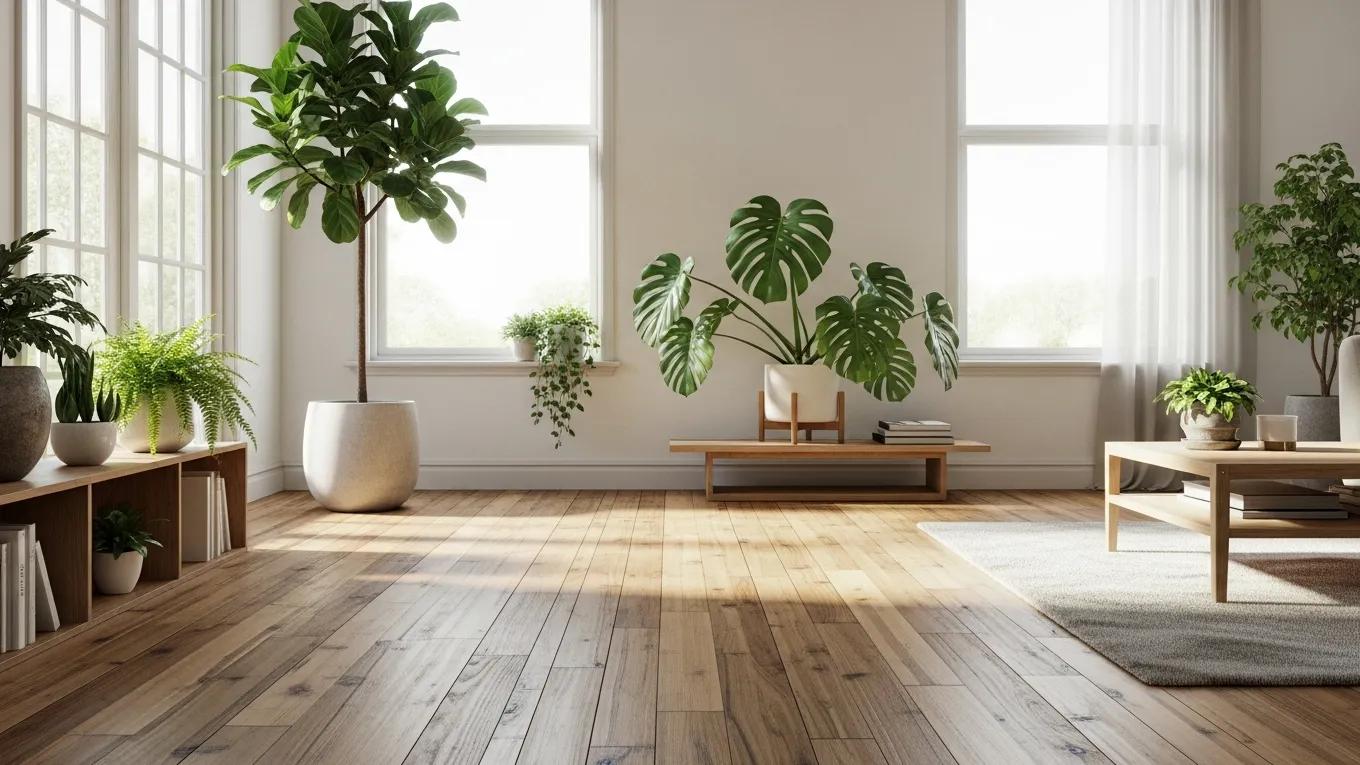
How a room feels the second you enter often begins underfoot. Biophilic flooring—materials and patterns that bring nature inside—shapes that first impression. This article explains what biophilic flooring is, why it promotes calm, and which materials, textures, and colors best support emotional well-being and sustainability.
What Is Biophilic Flooring and How Does It Promote Calmness?
Biophilic flooring uses real materials and nature-inspired patterns to reconnect interiors to the outdoors. Echoing organic textures and tones—wood grain, stone veining, soft earthy hues—these floors provide subtle cues that reduce stress and make spaces feel more welcoming and restful.
Research shows biophilic design can meaningfully influence mental and emotional well-being.
The Physiological and Psychological Impact of Biophilic Design
This descriptive-analytical study collected empirical data on how biophilic design affects people’s physiological and psychological responses.
Biophilic design as an approach towards integrating nature into the design of residential units to improve human mental health and well-being, 2023
How Does Biophilic Design Connect Flooring to Nature?
Floors mirror outdoor surfaces—wood grain like a forest floor, stone textures like riverbeds, and colors recalling soil and foliage. For example, choosing wood flooring can feel familiar and grounding, while stone-look tiles offer a cool, steady presence. These cues set a sensory backdrop that supports relaxation and place-making.
Bringing natural elements indoors supports broader well-being and improves quality of life.
Biophilic Design for Well-being and Quality of Life
This theoretical review explores frameworks for biophilic design and evaluates how those frameworks may affect well-being and overall quality of life.
Biophilic designs: A solution for the psychological well-being and quality of life of older people, D Pandita, 2024
Why Does Natural Wood Flooring Benefit Emotional Well-being?
Wood brings warmth, texture, and visual depth. Its tactile surface and natural tones reduce perceived stress and make rooms feel secure and comfortable. Real wood’s subtle variation and human scale invite lingering and calm in a way that many synthetic surfaces do not.
Even small design choices—like flooring—can meaningfully support emotional health.
The Role of Biophilic Design in Emotional Well-being
The research indicates biophilic elements in the workplace can boost employees’ emotional well-being and shape attitudes toward their environment, influencing job satisfaction and attachment.
Biophilic design and its effectiveness in creating emotional well-being, green satisfaction, and workplace attachment among healthcare professionals: The hospice …, EN Untaru, 2024
Which Natural Flooring Materials Create Calm Spaces?

Materials such as wood, bamboo, and cork each offer distinct sensory and environmental benefits; choosing among them depends on the feel you want and your sustainability priorities.
| Material | Benefits | Emotional Impact |
|---|---|---|
| Wood Flooring | Durable, timeless aesthetic | Radiates warmth and comfort |
| Bamboo Flooring | Rapidly renewable, low-impact | Fosters a calm, eco-minded vibe |
| Cork Flooring | Soft underfoot, naturally sound-absorbing | Dampens noise and invites relaxation |
What Are the Benefits of Wood, Bamboo, and Cork Flooring?
Wood is prized for longevity and a classic look that improves with age. Bamboo flooring appeals to eco-conscious buyers because it regenerates quickly and often needs fewer resources. Cork’s cushiony surface and sound absorption make it ideal for quiet, comfortable rooms. Decide based on texture, lifespan, and environmental priorities.
How Do Eco Friendly Flooring Options Enhance Indoor Air Quality?

Sustainable floors typically emit fewer VOCs and use fewer harsh adhesives and finishes, helping keep indoor air cleaner. Many are also more resistant to moisture and mold. Choosing low-emission, certified products is a practical step to improve indoor environmental quality.
How Do Floor Texture and Color Influence Mood and Calmness?
Texture and color create the room’s sensory tone. Surfaces that invite touch or absorb sound slow us down, while colors set emotional expectations—together they determine whether a space feels restful or active.
What Flooring Textures Are Most Soothing to Walk On?
Smooth, warm, or cushioned textures—finely sanded wood, soft cork, or dense low-pile carpet—are most soothing. These surfaces reduce noise and friction, helping body and mind relax without drawing attention away from the room’s function.
How Does Flooring Color Psychology Affect Calm Spaces?
Muted greens and soft blues tend to soothe; warm neutrals like beige, soft gray, and warm tan offer a steady, comforting base. Brighter hues energize and are better reserved for active spaces. Consider daylight and furnishings when choosing floor tones to keep the mood cohesive.
Why Choose Sustainable Flooring for Wellness and Calm Environments?
Sustainable flooring supports personal wellness and environmental health by reducing harmful emissions, conserving resources, and lasting longer—protecting indoor air quality and lowering the need for frequent replacement.
How Does Sustainable Flooring Support Indoor Environmental Quality?
Options like bamboo and cork generally emit fewer VOCs and resist mold, improving air quality. Responsible manufacturing and certifications further limit harmful chemicals and production emissions, making these materials a healthier choice.
What Are the Latest Trends in Wellness Flooring Design?
Designers favor textured surfaces that mimic natural materials, reclaimed or responsibly harvested woods, and hybrids that balance durability with environmental gains. The trend emphasizes floors that are both attractive and health-forward.
Frequently Asked Questions
What is the role of biophilic design in workplace environments?
Biophilic elements—natural light, plants, and organic materials—reduce stress and improve focus, which can raise morale and productivity when applied thoughtfully.
How can I incorporate biophilic design into my home?
Start with natural flooring, add plants, maximize daylight, and use nature-inspired colors and textures. Small changes like a wood table or stone accents strengthen the connection to nature.
Are there specific colors that enhance the calming effects of flooring?
Yes—soft greens and blues soothe, while warm neutrals create a stable, calming background. Test samples in your lighting before committing.
What maintenance is required for natural flooring materials?
Keep floors clean with regular sweeping and occasional damp mopping, use recommended cleaners, and follow manufacturer guidance for resealing or finishing as needed.
How does biophilic design impact mental health?
Biophilic design reintroduces natural cues—light, texture, color—that reduce stress and improve mood; even modest touches contribute to better balance and well-being.
What are the environmental benefits of choosing sustainable flooring?
Sustainable flooring uses renewable or fast-growing materials, reduces production emissions, and avoids many toxic chemicals, supporting healthier indoor air and resource conservation.
Conclusion
Biophilic flooring is a practical way to bring calming natural cues into homes and workplaces. Choosing materials like wood, bamboo, or cork and paying attention to texture and color helps create grounded, restorative rooms. Sustainable options further protect indoor air and the environment—helping you build a calmer, healthier interior.