


Why Flooring Is Becoming a Technical Specification, Not Just a Design Choice
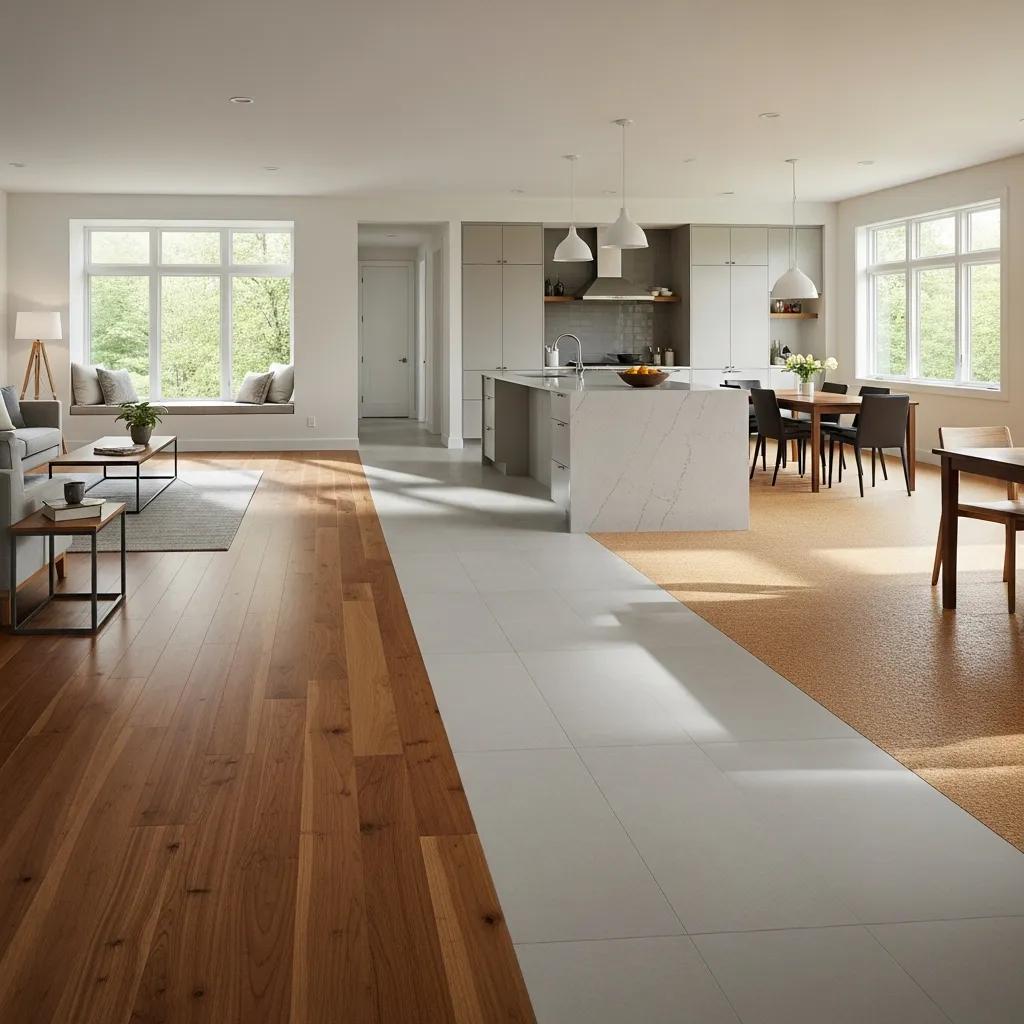
Flooring today is as much about measurable performance as it is about look. Products must meet safety, durability and environmental requirements set by regulators and industry bodies. Architects, contractors and owners now balance appearance with testable criteria — from fire performance and moisture tolerance to emissions and independent certification. This article pulls together the main regulations, climate-driven selection points, core performance standards and why sustainable choices matter in modern build projects.
Which Building Regulations Apply to Flooring Today?
Floor coverings and their installation sit within building regulations intended to protect users and ensure long-term performance. Rules influence product selection, installation methods and ongoing maintenance, shaping material choices across homes and commercial spaces. Knowing which regulations are relevant is essential for architects, contractors and clients alike.
Research and on-site studies consistently show that robust technical specifications must cover every stage — from material selection to installation and site safety.
Building Technical Specifications & Applicable Regulations
This study set out to produce technical specifications to guide the construction of reinforced concrete buildings. It combined site visits to active projects with a review of books, codes and standards, comparing what was observed on site with documented technical requirements. Before writing the specifications, architectural, structural, hydro‑sanitary and electrical plans were gathered. From those plans the project identified the necessary construction components, including civil works, coatings, finishes and services. Each specification includes: a clear description; step‑by‑step execution procedures covering requirements before, during and after each element’s completion; the applicable regulations; site safety measures for workers and the structure; and the materials, equipment and labour required.
Technical specifications for the construction of a two‑storey reinforced concrete building, 2024
Which Standards Define Flooring Compliance?
Recognised standards establish baselines for performance and quality. Examples include ASTM standards, which set testing methods and material classifications, and ISO certifications for wider quality management. For instance, ASTM F1700 covers resilient floor classifications and ISO 9001 underpins consistent manufacturing quality. Specifying to these standards helps produce predictable, reliable product behaviour.
How Do Regulatory Bodies Shape Flooring Specifications?
Regulatory organisations define test methods, pass/fail thresholds and certification requirements that manufacturers and specifiers follow. Bodies such as the International Organization for Standardization (ISO) and the American National Standards Institute (ANSI) create frameworks for testing, labelling and verification, giving specifiers clear benchmarks for safety and quality.
How Does Climate Affect Material Selection?

Local climate has a big influence on which materials will perform well. Humidity, temperature swings and moisture exposure all affect expansion, contraction, adhesion and finish longevity. Specifying materials and detailing installations for local conditions cuts maintenance, extends service life and prevents costly failures.
What Climate Adaptations Should Be Specified?
Adaptation means choosing products and installation methods that reflect local risk. In flood‑prone or high‑humidity areas, specify moisture‑resistant substrates and watertight transitions. Where temperatures vary significantly, allow correct expansion gaps and select materials rated for dimensional stability. Engineered wood and certain luxury vinyl products are often recommended where controlled resilience and moisture tolerance are required.
Which Materials Work Best in Moisture‑Prone Areas?
Certain materials are better suited to wet environments. Vinyl flooring is a frequent choice for bathrooms and kitchens because of its water resistance. Laminate with a moisture‑resistant core can be suitable when specified and installed correctly, while standard laminates remain vulnerable to standing water. Always choose products rated for the expected exposure and follow the manufacturer’s installation details.
What Are the Key Flooring Performance Standards?
Performance standards address durability, fire behaviour and acoustics — essential factors when matching a floor to its intended use. Measurable criteria let specifiers align product capability with building function and occupant needs.
How Do Durability, Fire Safety and Acoustic Ratings Influence Choice?
Durability classifications guide choices for high‑traffic areas; tile and hardwood are typical where longevity is required. Fire tests, such as ASTM E648 (the Floor Radiant Panel Test), assess a floor’s contribution to flame spread. Acoustic ratings measure sound absorption and transmission, important in offices, multi‑occupancy housing and schools. Knowing these metrics ensures the selected floor meets functional and regulatory demands.
Which Environmental Certifications Matter?
Environmental certifications indicate lower lifecycle impact and better indoor air quality. LEED (Leadership in Energy and Environmental Design) recognises products that support greener buildings, and FloorScore verifies low chemical emissions. Choosing certified products supports sustainability targets and can help score points in green building assessments.
Why Sustainable Flooring Is Now a Technical Choice
Sustainable flooring is increasingly a technical option that matches conventional products on performance while reducing environmental impact. As regulations tighten and client expectations rise, manufacturers offer renewable, recycled and low‑emission floors that meet recognised tests and certifications.
Which Sustainable Certifications Ensure Compliance?

Certifications such as the Forest Stewardship Council (FSC) and Cradle to Cradle validate responsible sourcing and circular‑economy practices. These programmes set environmental criteria, so specifying certified products helps meet sustainability objectives and many project requirements.
How Do Sustainable Materials Meet Technical and Regulatory Needs?
Eco‑friendly materials meet technical standards by combining proven performance with lower environmental impact. Bamboo can match hardwood for hardness and durability; recycled content appears in resilient and composite floors that pass standard tests. When manufacturers design to established performance criteria, sustainable options become viable for mainstream construction.
Frequently Asked Questions
What are the benefits of using sustainable flooring materials?
Sustainable floors lower environmental impact and often improve indoor air quality while offering long service life. Materials like bamboo and cork bring natural resilience; recycled and responsibly sourced products support circular supply chains. They can also contribute to green building certification, which may enhance property value and market appeal.
How can I ensure my flooring choice complies with local building codes?
Check local regulations and consult a licensed contractor or building control officer. Specify products with relevant test reports and certificates (ASTM, ISO, FloorScore, etc.) and retain documentation for inspections. When in doubt, choose products with clear performance data and follow the manufacturer’s installation guidance.
What role do manufacturers play in flooring compliance?
Manufacturers validate product performance through testing, certification and documentation. They provide technical data sheets, third‑party certificates and installation instructions that help specifiers and installers meet code and warranty obligations. Working with transparent manufacturers reduces project risk.
How do I choose the right flooring for a commercial space?
Assess expected footfall, maintenance capability and acoustic requirements. For heavy use, commercial‑grade vinyl, tile or polished concrete are typical choices. Consider slip resistance, fire performance and maintenance regimes, and confirm the product meets any industry‑specific standards for the facility.
What are the latest trends in flooring technology?
Key trends include smart floors with embedded sensors for condition monitoring, increased use of recycled and bio‑based materials, and digital printing that broadens design options without compromising performance. Manufacturers are also improving low‑emission adhesives and backing systems to meet indoor‑air standards.
How can I maintain compliance with flooring standards over time?
Regular inspections and planned maintenance preserve performance and compliance. Monitor for moisture ingress, wear and surface damage, and follow the manufacturer’s cleaning and repair guidance. Stay informed on code updates and plan upgrades when standards evolve.
Why Flooring Is Becoming a Technical Specification
Flooring is both a design choice and a technical decision. Prioritising products that meet performance, safety and environmental standards reduces risk and delivers long‑term value. With the right materials, certified documentation and correct installation, builders and owners can achieve compliance without compromising design. Choose certified, high‑performance flooring to ensure your next project performs as well as it looks.


