Why Flooring Is the Most Permanently Temporary Choice in a Home
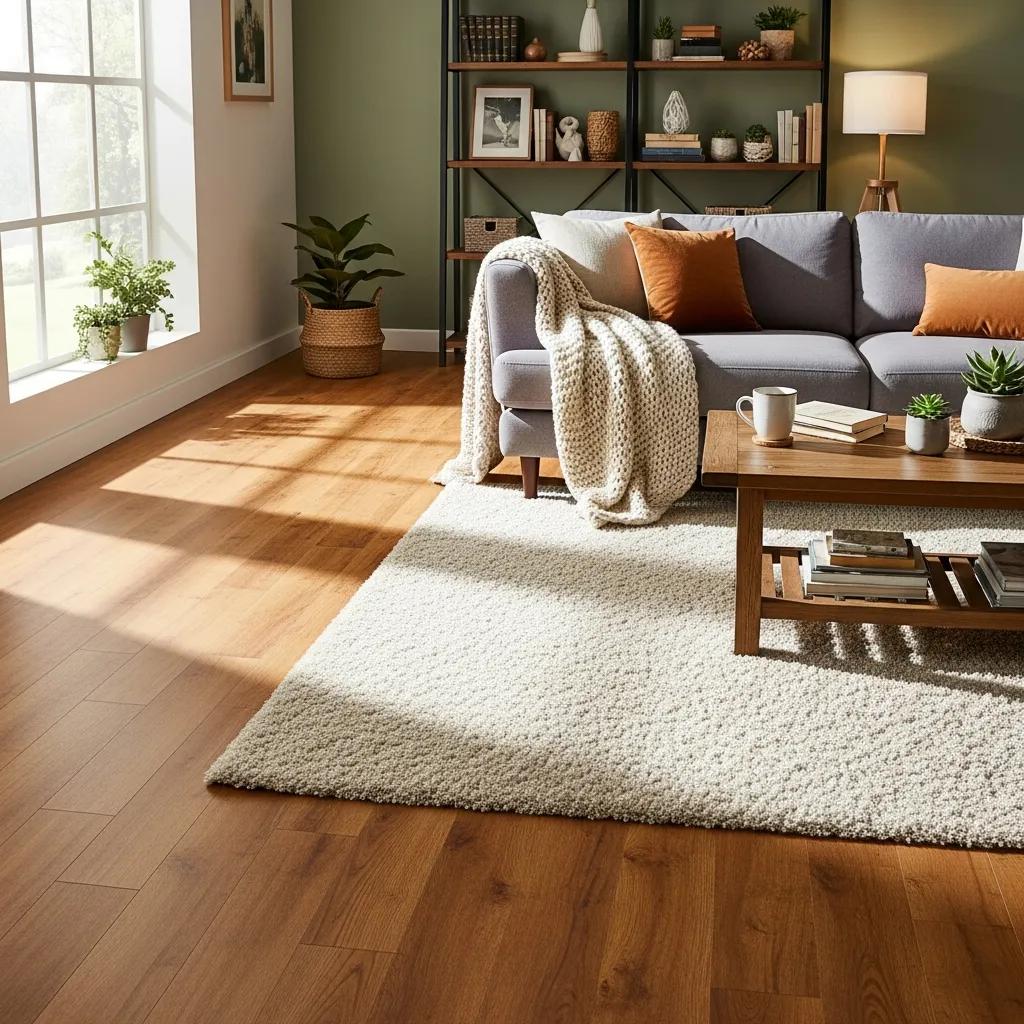
Flooring is a durable, physical investment that often behaves more like a short-term style choice: it needs to stand up to daily wear for years, yet homeowners replace it for function or fashion long before its structural life ends.
In this guide we unpack that contradiction and explain why “permanently temporary” is a useful way to think about floors — balancing how long a material actually lasts with changing tastes and shifting household needs. You’ll find clear comparisons of how different materials age, what typically drives early replacement, and straightforward ways to estimate replacement cost and flooring ROI for UK homes. Practical sections cover durability, lifecycle costs, resale impact and greener alternatives so you can make long-term decisions without getting lost in sales speak. If you’re comparing products, we also point to discovery routes that help bridge research to purchase while keeping the focus on what suits your home. Read on to learn typical lifespans, how to plan for a future change, and which materials work best in busy 2025 UK households.
Put simply: even though flooring is physically long-lasting, we treat it as a flexible, changing part of our homes that reflects life stages and personal taste.
Home Design: Reflecting Self & Adapting to Change
The idea of home as a mirror of the self suggests it is not fixed but always evolving. Design choices—floors included—shift as people and circumstances change.
Experiencing Temporary Home Design for Young Urban Dwellers: “We Can't Put Anything on the Wall”, MG Elsinga, 2023
Why is flooring a permanently temporary investment?
We call flooring “permanently temporary” because, while many floors are built to last, they are often replaced for three clear reasons: material wear, changing design trends, and evolving household needs. First, durability: even high-quality wood and stone show wear, moisture damage or grout issues that eventually trigger repairs or replacement. Second, style and layout: changing tastes — from wide planks to patterned layouts — can lead to aesthetic updates well before structural failure. Third, lifestyle changes: growing families, pets or new accessibility needs alter what a floor must do. Understanding these forces helps you set realistic expectations when planning long-term flooring choices and budgeting for future replacement.
Floors wear out because of use, not just age: footfall, moisture and maintenance routines determine when a surface stops functioning as intended. Next, we map typical lifespans by material so you can link those drivers to realistic replacement timelines.
In short, flooring is a permanently temporary choice for three reasons:
- Durability limits: every material has a wear layer or failure point that eventually needs attention.
- Style and trends: design cycles often prompt cosmetic replacement before a floor fails structurally.
- Lifestyle shifts: family makeup, pets and changing functional needs can make a once-suitable floor impractical.
Because these factors overlap, sensible planning requires both technical and aesthetic foresight. The next subsection sets out typical lifespan ranges for common flooring types found across the UK market.
Lifespan by material: how long different flooring types last
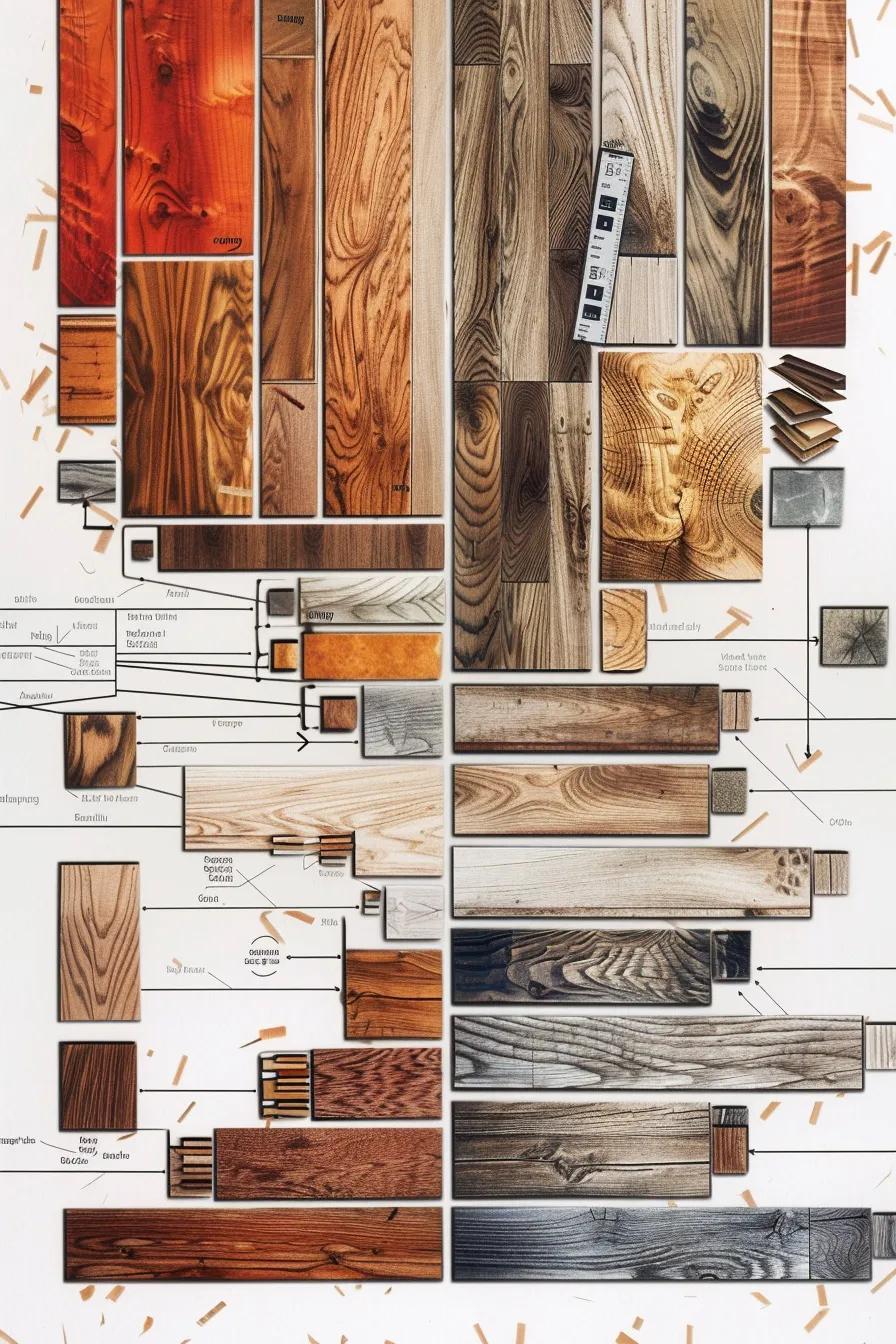
Each flooring type sits within a typical lifespan range that depends on wear-layer thickness, installation quality and maintenance. Well-maintained hardwood can last decades: oak or engineered wood may endure 25–100 years with periodic refinishing. LVT’s life is driven by wear-layer thickness and usually falls between 10–25 years. Laminate commonly lasts 10–20 years. Ceramic and stone tiles can last 30–100 years, although grout can show wear sooner. Carpet varies a lot by fibre and use — often 5–15 years in living areas — while cork and bamboo tend to sit in the 10–30 year band depending on finish and exposure. Installation method, subfloor condition and moisture levels all affect these ranges, so plan replacement timing around your specific conditions and upkeep routine.
These ranges help set realistic expectations for replacement cycles and feed directly into lifecycle-cost planning, which we cover next.
Key factors that influence durability
Durability is shaped by a few predictable factors: how much traffic an area gets, exposure to water, maintenance habits, manufacturing quality and correct installation with the right underlay and finish. High-traffic areas speed abrasive wear on coatings; moisture can cause cupping or delamination in wood products. Regular cleaning, resealing and grout care slow deterioration and push replacement further into the future. Manufacturing choices — plank thickness, core construction and wear-layer specs — define a product’s resistance to scratches and dents. And proper installation, including subfloor prep and suitable underlay, prevents many early failures. Recognising these drivers lets you match materials to room function and take steps that extend a floor’s usable life; the next section compares materials side by side.
Durability & Lifespan: flooring material showdown
To compare durability, look at typical lifespans, common failure modes and the environments where each material performs best. The table below summarises typical lifespans and durability traits for common flooring types to support practical, long-term decisions.
The following table compares lifespan, key durability attributes and recommended environments:
| Material | Typical lifespan | Durability attributes |
|---|---|---|
| Hardwood (solid/engineered) | 25–100 years | Can be refinished, sensitive to moisture, excellent scratch resistance when well finished |
| Luxury Vinyl Tile (LVT) | 10–25 years | Very water resistant, scratch resistance depends on wear layer, stable in changing humidity |
| Laminate | 10–20 years | Budget-friendly wear layer, vulnerable to moisture swelling, generally good scratch resistance |
| Ceramic/Stone | 30–100+ years | Extremely wear-resistant; grout is the usual weak point; can feel cold and heavy underfoot |
| Carpet | 5–15 years | Comfort and noise reduction, prone to staining and pile flattening in traffic, needs regular deep cleaning |
| Cork/Bamboo | 10–30 years | Natural resilience and comfort, softer underfoot, water resistance varies by finish |
This comparison highlights trade-offs: solid wood lets you refinish and often gives the best long-term ROI in living areas; LVT offers water resistance for kitchens and bathrooms; and tile is hard to beat for wet zones. Next we compare hardwood, LVT and ceramic directly and look at the real-world factors that influence when floors actually need replacing.
Hardwood vs LVT vs ceramic: typical lifespans
Hardwood’s lifespan depends on species, finish and how often it’s refinished — oak and similar species can be sanded and refinished multiple times to extend life into decades. LVT’s longevity comes down to wear-layer thickness and overall product construction; thicker wear layers and solid cores increase scratch resistance and lifespan. Ceramic tile is effectively permanent in most homes; failures tend to occur at grout lines or because of movement in the substrate that cracks tiles. Practically, hardwood suits living and dining areas for long-term aesthetic value, LVT is ideal for kitchens and bathrooms where water resistance matters, and ceramic works best in very wet or heavy-use zones.
These trade-offs help you prioritise investment by aligning material strengths with room function; the next section explains how everyday scenarios can shorten or extend these lifespans.
Real-world durability drivers
Reality often diverges from lab figures: pets, children, cleaning chemicals and installation quality make a big difference. A household with dogs will accelerate scratches and stains on softer finishes, so LVT or stone can be a smarter long-term choice than unfinished wood. Rooms with moisture risk — basements or ground-floor spaces — raise the chances of delamination in engineered wood and swelling in laminate; proper damp-proofing and suitable underlay reduce that risk. Installation mistakes such as wrong adhesive, inadequate acclimatisation or uneven subfloors cause early failures regardless of material quality. Investing in quality installation, the right underlay and appropriate finishes, and choosing materials that match real-life use will add years to any floor and improve ROI.
With those durability drivers clear, it’s essential to evaluate total cost over time — the topic of the next section.
The Real Cost: initial price, maintenance, and replacement over time
Total cost of ownership combines the initial purchase and installation, ongoing maintenance and eventual replacement — and these depend on material, installation complexity and expected life. The table below shows typical GBP per m² ranges for installation and average annual maintenance to help with realistic budgeting and UK installation cost estimates.
This cost comparison table shows initial prices, maintenance burden and replacement timing:
| Material | Initial cost (GBP/m2) | Average annual maintenance (GBP/m2) |
|---|---|---|
| Hardwood (engineered) | £40–£120 | £1–£5 (cleaning, occasional refinishing pro rata) |
| LVT | £20–£60 | £0.5–£3 (cleaning, occasional repair) |
| Laminate | £10–£40 | £0.5–£2 (cleaning, replacement of damaged planks) |
| Ceramic/Stone | £25–£100 | £1–£4 (grout sealing, cleaning) |
| Carpet | £10–£50 | £2–£6 (deep clean, replacement padding) |
| Cork/Bamboo | £20–£70 | £1–£4 (reseal, cleaning) |
The table shows how a higher upfront cost for hardwood can be offset by long service life and refinishing, while LVT gives lower initial outlay and modest maintenance across its life. Flooring specialists with broad ranges and competitive pricing make it easier to compare trade-offs and find cost-effective LVT or engineered wood options without compromising quality; product discovery tools and clear category browsing help keep the process simple.
Initial investment vs long-term costs by material
Upfront cost often dictates immediate choices, but lifecycle calculation spreads total expected cost across years of use. For example, a mid-range engineered hardwood at £70/m2 with a 30-year life works out to roughly £2.33/m2 per year before maintenance; a £35/m2 LVT with a 15-year life comes to the same about £2.33/m2 per year — showing how per-year costs can align despite different initial spend. Maintenance, refinishing cycles and replacement frequency will shift these figures. Using 10- and 30-year scenarios and UK installation norms will help you decide whether a premium material pays off through lower upkeep and stronger resale appeal.
This mirrors academic guidance to include comprehensive life cycle assessment — financial and environmental — rather than judging materials by initial cost alone.
Residential Flooring: Life Cycle Costs & Investment Decisions
The study aimed to identify preferred floor-on-grade compositions in residential buildings in Belgium from both life cycle environmental and financial perspectives. It evaluated required investments alongside life cycle costs to reflect budget constraints. This analysis helps designers and owners expand decision criteria beyond initial investment to life cycle aspects.
Environmental and economic optimisation of the floor on grade in residential buildings, K Allacker, 2012
With those scenarios in mind, the next subsection looks at ROI drivers and timelines to help you decide which floors are most likely to pay back.
Return on investment: which flooring pays off
Flooring ROI comes down to three things: how long it lasts, how appealing it is to buyers at resale, and the savings from lower maintenance. Materials that combine durability and wide buyer appeal — wide-plank engineered wood or good-quality hardwood — usually deliver the best resale uplift, especially in living areas and hallways. LVT can deliver ROI through practicality in kitchens and bathrooms where water resistance matters to buyers. Lower-cost options may suit short-term ownership, while long-term owners typically benefit from durable, refinishable surfaces that lower lifecycle costs. As a rule: if you plan to stay 10+ years, prioritise durability and timeless aesthetics; if you expect a quick sale, favour lower upfront cost and easy replacement.
These ROI rules feed directly into how flooring affects property value in the UK market, covered next.
Flooring and home value: does your choice pay off?
Flooring shapes buyer perception and can influence resale results, but the impact depends on market trends and the room’s purpose. The table below links materials to typical resale effects so you can weigh choices with an eye to value.
This table summarises typical resale effects:
| Material | Typical effect on resale |
|---|---|
| Hardwood / Engineered wide-plank | Usually increases appeal and can boost value thanks to a sense of quality and timelessness |
| LVT (high quality) | Adds modern, practical appeal — particularly popular in kitchens and bathrooms |
| Ceramic/Stone | Positive for wet areas and high-use zones; seen as durable and low maintenance |
| Carpet | Neutral to negative in higher-end markets; positive in bedrooms where comfort matters |
| Cork/Bamboo | Mixed; attractive to eco-conscious buyers but not universally value-adding |
High-quality hardwood and engineered wide-plank floors tend to add the most consistent resale value because they signal durability and can be refinished; LVT’s practicality is increasingly sought after in the 2025 UK market. These trends help decide whether extra upfront spend is likely to return value at sale.
Which materials boost resale value most
Materials that reliably add resale value combine broad buyer appeal, durability and timeless looks. Engineered or solid wood — especially wide-plank finishes in neutral tones — generally ranks highest because it signals quality and can be refreshed. High-end LVT scores well where buyers prioritise practicality and water resistance, particularly in upgraded kitchens and bathrooms. Ceramic and stone remain strong for wet areas and premium finishes. Carpet’s benefits are usually limited to comfort in bedrooms rather than broad market appeal. Using each material where it makes most sense — wood in living areas, LVT in utility spaces, tile in wet rooms — maximises resale uplift.
Knowing these resale effects helps you focus investment where it matters; the next part sets these preferences against 2025 UK market trends.
UK market trends 2025 and implications
In 2025 the UK market shows rising demand for realistic stone-effect tiles, premium LVT collections and wide-plank or herringbone wood patterns that feel both contemporary and classic. LVT’s growth reflects longer-lasting products and buyers’ preference for low-maintenance floors, which in turn increases availability and competitive pricing. That said, chasing every trend increases the chance of early replacement; choosing trend-aware but timeless options — neutral wide-plank wood or subtle stone-effect tile — strikes a better balance. Supply and lead times can affect budgets and schedules, so factor availability into planning.
With resale and market trends in mind, match material choice to lifestyle and sustainability goals — the focus of the next section.
Lifestyle, trends & sustainability: choosing for busy homes
For busy homes, pick flooring that balances durability, easy cleaning and comfort while taking sustainable options into account. This section recommends best-fit materials for common lifestyles and highlights eco-friendly choices. Below are the key considerations when choosing flooring for homes with pets, children or heavy use.
When matching flooring to lifestyle, focus on three things: how it stands up to expected traffic, how it resists stains and moisture, and how easy it is to repair or replace. Those criteria guide which materials perform best in each scenario.
- Pets: Opt for scratch-resistant surfaces and tight finishes that resist stains and are simple to clean.
- Kids: Use softer surfaces in bedrooms for comfort and easy-clean hard floors in play and dining areas.
- High-traffic homes: Choose high-wear materials with robust finishes and protect key runs with runners and mats.
These principles lead into practical top picks for each situation below.
Best flooring for pets, kids and high-traffic homes
For pet-friendly homes, LVT, ceramic tile and tough engineered wood are strong choices because they combine water resistance, easy cleaning and abrasion resistance. For families with young children, mix surfaces: carpet or cork in bedrooms for comfort and sound absorption, with durable hard floors — LVT or sealed hardwood — in communal areas for hygiene and durability. High-traffic zones benefit from wear-resistant finishes, good underlay and materials with thicker wear layers or stone surfaces. Simple protections like area rugs, entrance mats and regular maintenance extend lifespan and reduce replacement costs.
These recommendations balance comfort and durability; next we review sustainable options available in the 2025 UK market and the trade-offs to consider.
Sustainable and eco-friendly options in 2025 UK
Sustainable choices include cork, bamboo, FSC-certified timber and recycled-content LVT — each offers different environmental benefits and durability trade-offs. Cork and bamboo are renewable and lower in embodied carbon but may need more frequent resealing in wet areas. FSC-certified hardwood supports responsible forestry and keeps strong durability and resale value. Recycled-content LVT reduces virgin material use but you should check manufacturing processes and end-of-life recyclability. Look for FSC, EPDs and clear recycled-content labelling. When weighing sustainability, compare longevity: a responsibly sourced hardwood that lasts for decades can outperform a lower-impact material that requires frequent replacement, both environmentally and financially.
Research shows that changing floors prematurely increases their environmental footprint.
Flooring Replacement: Environmental Impact of Early Changes
Premature replacement of flooring can significantly affect a product’s environmental performance.
Life cycle assessment study on resilient floor coverings, 1997P
Choosing sustainable materials is about aligning values with practical lifecycle planning. If you’re ready to act, the next paragraph gives a clear next step to move from research to purchase.
If you’re ready to choose, compare materials by expected lifespan, likely replacement cost and resale impact, then browse product categories from reputable flooring specialists who offer variety and competitive pricing to match your functional and sustainability priorities.
Flooring is both a long-term investment and a flexible design element. Match material types, components like underlay and wear layer, and quality installation to your lifestyle and ownership horizon to make sensible, long-term flooring decisions.


About The Author