


Why Flooring Never Goes Viral (And Why That’s a Problem for the Industry)
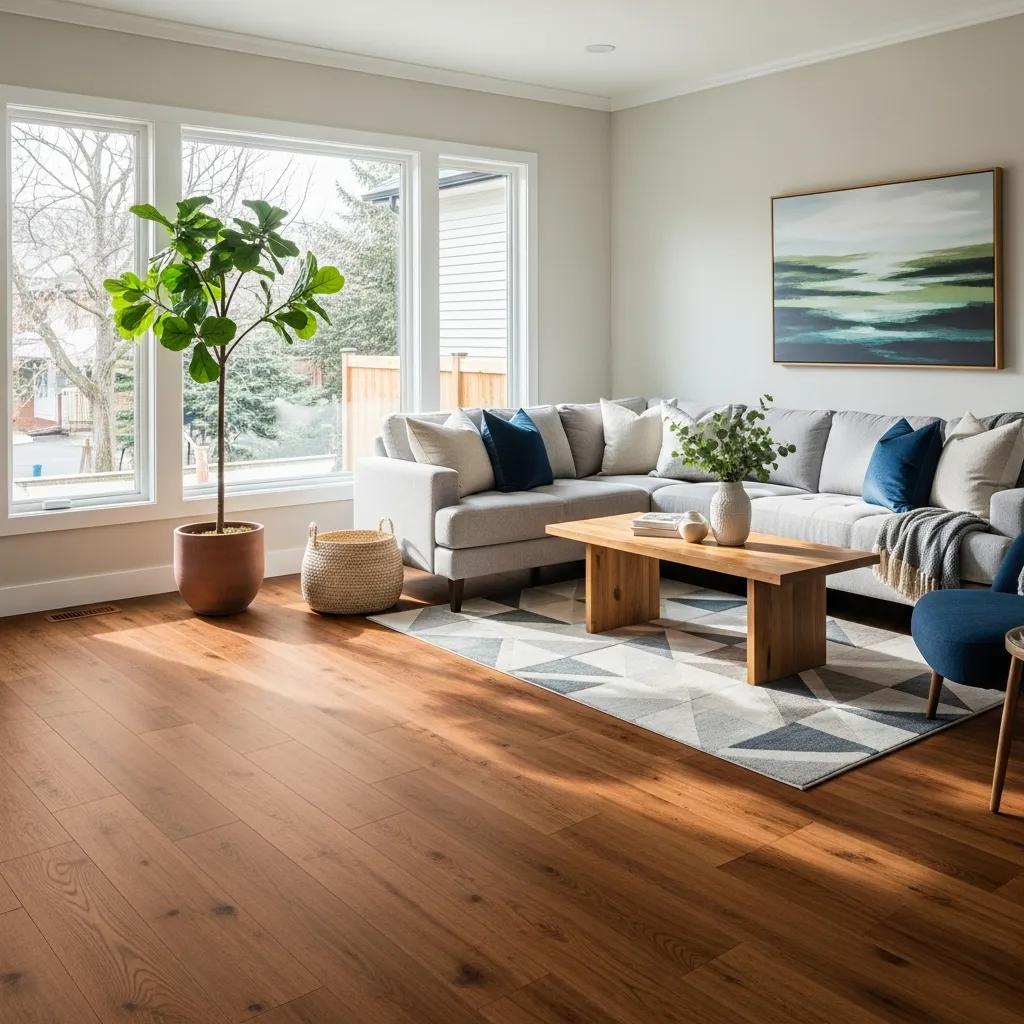
Flooring rarely makes headlines or lights up social feeds — and that gap matters for an industry built on visual trust and local buying intent. This article lays out why flooring content struggles to reach a wide audience, unpacks the behavioural and creative mechanics behind shareability, and offers a practical playbook to change course with better visuals, smarter distribution and clearer measurement.
The Viral Myth in Flooring Marketing
Calling flooring “unshareable” is usually a diagnosis, not the cause. Most flooring content defaults to product-first posts, long technical descriptions and static catalogues — formats that don’t trigger the emotional or novelty cues social platforms reward. When you reframe flooring as transformation and lifestyle context, you surface the missing share triggers and reveal practical fixes in both creative and distribution. Below we break down the main causes, share behavioural insights, and contrast flooring with neighbouring home-improvement content that actually finds broad reach.
Why does flooring content struggle to go viral?
Because it often skips the core psychological triggers social algorithms favour — surprise, contrast and immediate payoff. Audiences on TikTok, Instagram and Pinterest want visual novelty and quick gratification; long reveal times, static detail shots and dense technical copy add friction and lower share intent. Poor distribution choices make it worse: brands frequently post the same asset across every platform instead of tailoring format, pacing and sound to each feed. Understanding these behaviours points to low-cost experiments that work — short, rhythmic installation clips, staged reveals and consumer-led transformations that create repeatable viral patterns and higher engagement.
Academic and design research also supports the value of structured, well-paced short-form video for achieving broader reach and clearer storytelling.
Design Guidelines for Viral Short-Form Videos
Short-form videos are an increasingly important storytelling medium in journalism and marketing; animated data visualisations can enhance them. However, little research has systematically examined how to augment short videos with data visualisations in ways that work reliably.
Design guidelines for augmenting short-form videos using animated data visualisations, T Tang, 2020
Which marketing myths most hinder virality in flooring?
A few entrenched myths stop teams from experimenting. Myth one: flooring is “boring” and won’t travel — the reality is that strong before-and-after contrast and close texture reveals create sensory hooks that do share. Myth two: only product specs matter — in practice, story-first content that demonstrates lifestyle outcomes drives shares and consideration. Myth three: virality is luck — repeatable creative patterns exist and can be engineered through testing, trend-matching and consistent format iterations.
The Power of Visuals for Flooring Virality
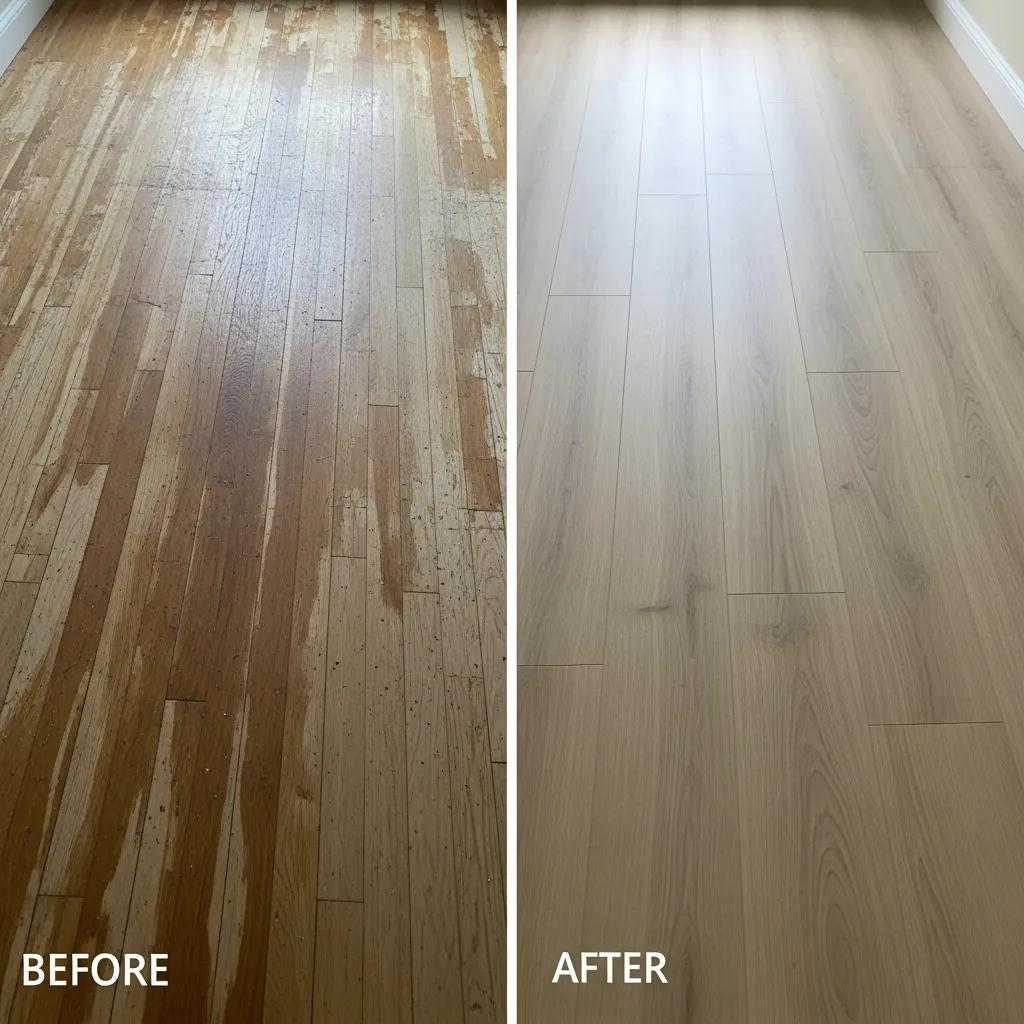
Visuals are the single biggest lever for turning ordinary flooring into compelling renovation ideas. The right asset lowers friction, triggers emotion and lifts conversion. Short-form videos, tight reveal shots and immersive renders each have different share profiles and conversion outcomes, so format choice should be intentional. Below is a practical checklist for creators who want flooring to travel across feeds, followed by a simple comparison to help prioritise production spend.
High-impact visual checklist — what creators should prioritise before shooting:
- Frame the reveal: plan a tight “before” shot and stage the reveal inside the first three seconds.
- Use rhythmic edits and trending audio so clips fit native feed patterns viewers recognise.
- Prioritise texture and movement: pans, close-ups and installation rhythm communicate material quality.
- Add clear transformation captions and a micro-CTA that invites saves, shares or “which do you prefer” comments.
These practices deliver immediate emotional payoff and prepare assets for platform optimisation; the table below compares visual formats by shareability, cost and expected conversion effect.
Short video and visual format comparison for prioritising production spend:
| Format | Shareability | Production Cost | Typical Platform | Conversion Lift |
|---|---|---|---|---|
| Short rhythmic installation clips | High | Low–Medium | TikTok, Reels | Medium–High |
| Before-and-after stills | Medium | Low | Pinterest, Instagram | Medium |
| 3D renderings / AR visualisations | Medium–High | Medium–High | Web embeds, Reels | Medium–High |
| Virtual tours (360°) | Medium | Medium | Web, Pinterest | Medium–High |
The practical takeaway: mix low-cost short-form clips with higher-consideration 3D assets on product and consideration pages. That stack reduces uncertainty and sets the digital foundations needed to capture attention.
The Power of Visuals for Flooring Virality
How can high-impact visuals and before-and-after transformations drive shares?
Before-and-after transformations work because they deliver instant contrast, satisfy curiosity and invite comparison — all strong drivers of share behaviour. Production tips: frame a tight “before” shot, time the reveal at 2–3 seconds, and use a musical cue that hits on the visual flip to boost play-through. Shoot a mix: wide context, mid-range installation rhythm, close texture pans, and the final reveal. Caption the benefit first (durability, style) rather than burying specs. Finish with a small engagement prompt — vote, save or tag — so viewers take a shareable action that increases organic distribution.
Why are 3D visualisations and virtual tours effective for flooring marketing?
3D visualisations and virtual tours lower purchase friction by making colour, texture and scale legible before a showroom visit, turning lukewarm interest into confident intent. Immersive assets increase time on page, invite repeat visits and are easily repurposed as short clips or social postcards that extend reach. Options range from lightweight AR “try it in your room” features to fully rendered walkthroughs; pick the level of fidelity that matches budget and expected conversion lift. Embed 3D viewers on product pages and use them as social lead magnets to bridge inspiration with measurable lead capture — a key step toward stronger digital foundations.
The strategic use of technologies like AI and VR/AR has already improved customer experience and sales in home furnishing.
AI & VR/AR for Home Furnishing Marketing
Juran Design Home, a digital platform in the home furnishing sector, used AI-powered design assistants and VR/AR features to improve the customer experience and increase sales. The study highlights how AI-driven tools can change marketing practices, from customer segmentation to personalised experiences.
Research on the Transformation of Enterprise Marketing Strategy Driven by Artificial Intelligence, 2025
Digital Foundations for Flooring Marketing

Strong digital foundations make sure the attention earned by shareable visuals converts into discoverable traffic and measurable leads. SEO, structured data and platform-specific templates create the pathways from viral moments to purchase. Local SEO and a well-optimised Google Business Profile build presence for high-intent queries, while product schema and review markup enable rich snippets that lift click-through rates. When we describe conversion paths, product pages and CTAs, our commercial objective remains the same: guide discovery and help customers find and buy a wide range of flooring products at competitive prices. Below are practical checklists and a simple EAV-style table to prioritise on-site elements.
Local SEO actions checklist — practical steps for flooring retailers and installers:
- Optimise Google Business Profile fields and categories, and post visual updates showcasing recent installs.
- Create clear location and service-area pages with entity-rich descriptions that match local search queries.
- Encourage structured reviews with short prompts and respond publicly; use review snippets and FAQ schema where it helps.
These actions improve local visibility and build trust signals that amplify both organic and social referrals. The table below helps prioritise product-page schema and metadata tasks for immediate implementation.
| Page Element | Schema Presence | Typical Metadata | Conversion Role |
|---|---|---|---|
| Product Page | Product, Offer, AggregateRating | Title with material + style, meta description with CTA | Primary revenue driver |
| Review Section | Review, AggregateRating | Structured snippets, reviewer context | Social proof and CTR lift |
| FAQ / Installation | FAQ, HowTo | Short Qs matching PAA queries | Reduces pre-sale friction |
| Gallery / 3D Embed | ImageObject, VideoObject | Descriptive alt/title tags | Improves engagement and shareability |
What local SEO strategies boost flooring visibility?
Local SEO for flooring combines authoritative location pages, precise categories and a steady stream of structured reviews to match high-intent queries for installers and retailers. Start by making your Google Business Profile consistent (NAP, categories, service area) and post recent installation photos and before/after visuals. Build service-area pages that blend product terms (hardwood, LVP, tile) with practical installation details and lead forms to capture interest. Ask for short, structured reviews and reply to feedback publicly — these actions strengthen trust signals and improve local pack rankings.
How should flooring brands approach keyword research and platform-specific content?
Map keywords across the funnel: awareness (e.g., “flooring trends 2024”), consideration (“best luxury vinyl plank for pets”) and purchase (“hardwood floor installation quote”). Match formats to platforms — short-form video templates for TikTok and Reels, high-quality mood boards and pins for Pinterest, and detailed product plus installation pages for organic search. Maintain a content calendar that cycles trend-led short videos, gallery refreshes and SEO-rich long-form pages so inspiration-driven traffic converts on product pages with schema and clear CTAs. Throughout, our goal is to inform and to help readers discover and buy a wide range of flooring options at competitive prices.
Advanced Strategies for Industry Impact
Advanced strategies turn viral potential into measurable business outcomes by combining amplification tech, creator economies and socially resonant messaging like sustainability. AI-driven targeting surfaces high-intent micro-audiences (new movers, renovation signals), while influencer blueprints translate creative templates into scalable creator-driven campaigns. Sustainability positioning and authentic testimonials expand appeal by tying flooring to values and trust signals. The sections below outline practical campaign structures and recommended KPI mixes for mid- and upper-funnel amplification.
High-level influencer and AI campaign checklist:
- Use AI propensity models to find micro-audiences with renovation intent and build targeted lookalikes.
- Brief creators on repeatable hooks (2–3 second reveals, texture close-ups, hero caption) so assets remain consistent.
- Set KPIs: view-through, engagement rate and leads attributed through trackable landing pages.
These elements ensure viral content does more than rack up views — it generates qualified leads and measurable revenue paths, which we outline with specific campaign templates below.
How can AI-driven targeting and influencer partnerships boost flooring marketing?
AI-driven targeting detects audiences showing renovation intent by analysing behavioural signals and lookalike patterns, letting ads amplify organic winners efficiently. Pair AI segmentation with micro-influencers who can reproduce brand creative hooks — short reveals, installation rhythm clips and credible testimonial formats — to scale reach without losing authenticity. Balance KPIs between reach (views), engagement (likes/comments/shares) and action (landing page visits, contact forms) so campaigns optimise for both viral lift and downstream conversion. Give creators templated briefs with required shots, caption hooks and CTA behaviours to keep creative consistent while preserving native voice.
Why is sustainability messaging and customer testimonials critical for flooring virality?
Sustainability messaging ties flooring to broader lifestyle conversations and improves shareability by highlighting low-VOC finishes and certified materials. Short, authentic customer clips about install experience and longevity reduce purchase friction and act as social proof where trust matters. Use certification claims and quantified metrics (durability figures, VOC ratings) transparently and pair them with personal stories to maximise credibility. These narratives turn technical attributes into shareable, persuasive hooks.
Measuring Success and Adapting to Trends
Measuring success means tracking both early viral signals and downstream conversion metrics. A behaviour-first analytics approach helps distinguish short-lived buzz from sustainable business impact. Monitor engagement and share metrics to surface viral potential, watch play-through and completion for short-form video health, and attribute traffic uplift and leads to measure business effect. Regular SERP and social listening will surface fresh trends for content refreshes, and a steady review and schema audit cadence protects long-term discoverability. The KPI table below maps key metrics to actions with practical thresholds for flooring content.
Key KPIs that indicate viral potential and conversion health:
| KPI | Metric | Target / Action |
|---|---|---|
| Share Rate | Shares / Impressions | >0.5% — Increase CTA asks to share/save |
| Video Play Rate | Starts / Impressions | >40% — Improve thumbnail/first 3s |
| Completion Rate | Completions / Starts | >50% — Tighten pacing and edit length |
| Traffic Uplift | Organic sessions | +10–20% post-campaign — Expand formats |
| Lead Conversion | Leads / Sessions | 1–3% — Optimise product page CTAs and schema |
This mapping makes it clear when to scale content and when to iterate on creative or distribution. The next checklist recommends the tools and cadences to put these insights into practice.
Monthly monitoring and technical cadence checklist:
- Run monthly performance reviews to identify creative winners and emerging platform trends.
- Schedule quarterly content audits focused on SERP features, schema status and entity visibility.
- Maintain a bi-annual schema and structured data audit to keep product and review markup current.
What KPIs indicate viral potential and overall performance for flooring content?
Early viral potential shows up as high share rates, strong play-through and rapid engagement growth — signs the content resonates beyond its initial audience. Track share rate, video play rate and completion alongside view velocity (how quickly views accumulate) to spot pieces worth scaling. For conversion, watch traffic uplift, lead attribution and product page conversion rates: low engagement with high traffic suggests misalignment, while strong engagement with weak leads points to poor CTAs or landing experiences. Use those signals to decide whether to scale organically, amplify with paid, or iterate creatively.
Which tools and processes support ongoing SERP monitoring and content updates?
Use Search Console and GA4 for organic performance, an SEO platform (SEMrush or Ahrefs) for SERP feature tracking and keyword discovery, and native platform analytics for social intelligence. Keep a monthly review cadence for creative performance and quarterly SEO audits for schema and structured data. Simple SOPs — tag winners in a shared tracker, promote top organic videos into paid campaigns, and refresh product pages with new visuals — make sure learnings are operationalised and content stays competitive. As always, our work here aims to inform the industry while helping readers discover and buy a wide range of flooring products at competitive prices.